Effective Property Maintenance Solutions for Every Season
- Seamus O'Neill
- Nov 3, 2025
- 4 min read

Keeping your property in tip-top shape all year round can feel like a big job. But trust me, with the right approach, it’s totally manageable—and even enjoyable! Whether you’re managing a cozy short-term rental or your own home, having a solid plan for property upkeep strategies is key. I’m here to walk you through practical tips and tricks that will keep your space looking great and functioning smoothly no matter the season.
Why Seasonal Property Upkeep Strategies Matter
Every season brings its own challenges and opportunities for property care. Ignoring these can lead to costly repairs and headaches down the road. But when you stay ahead with seasonal maintenance, you save money, protect your investment, and create a welcoming environment for guests or family.
For example, winter’s cold and snow can wreak havoc on roofs and pipes, while summer’s heat and storms might damage landscaping or outdoor furniture. Spring and fall are perfect for deep cleaning and prepping your property for the extremes ahead.
By breaking down your maintenance tasks by season, you can tackle them in manageable chunks. Plus, you’ll avoid the stress of last-minute fixes. Here’s a quick look at what each season demands:
Spring: Clean gutters, inspect roofs, check HVAC systems, and refresh landscaping.
Summer: Maintain outdoor spaces, check irrigation, and protect against pests.
Fall: Prepare heating systems, seal windows and doors, and clear leaves.
Winter: Monitor for ice dams, protect pipes, and keep walkways safe.

Smart Property Upkeep Strategies to Keep You Ahead
Let’s dive into some smart, actionable property upkeep strategies that will keep your property in great shape all year. These tips are easy to follow and will help you avoid surprises.
1. Create a Seasonal Checklist
Start by making a checklist for each season. This keeps you organized and ensures nothing slips through the cracks. For example, in spring, your list might include:
Cleaning gutters and downspouts
Inspecting the roof for damage
Servicing the HVAC system
Fertilizing and pruning plants
In fall, you’d switch to:
Sealing cracks around windows and doors
Draining and storing garden hoses
Checking smoke and carbon monoxide detectors
Cleaning chimneys if you have a fireplace
2. Schedule Regular Inspections
Don’t wait for problems to show up. Schedule regular inspections of key areas like the roof, foundation, plumbing, and electrical systems. Catching issues early saves you money and stress.
3. Prioritize Safety
Safety should always be top of mind. Make sure walkways are clear and well-lit, handrails are secure, and fire extinguishers are accessible. For short-term rentals, this is especially important to protect your guests and your reputation.
4. Invest in Quality Tools and Services
Sometimes, DIY is great. Other times, you need a pro. Investing in quality tools and trusted services means the job gets done right the first time. For example, hiring experts for seasonal lawn care or HVAC servicing can make a huge difference.
5. Keep Records
Maintain a log of all maintenance activities, repairs, and inspections. This helps you track what’s been done and plan future work. Plus, it’s handy if you ever need to prove upkeep for insurance or rental purposes.
If you want to explore reliable property maintenance solutions that cover all these bases, check out O’Neill & Son. They specialize in making property care hassle-free, so you can focus on what matters most.

What is the 1% Rule for Maintenance?
You might have heard about the 1% rule when it comes to property upkeep. It’s a simple guideline that suggests you should budget about 1% of your property’s value annually for maintenance and repairs. So, if your property is worth $500,000, plan to spend around $5,000 a year on upkeep.
Why is this rule helpful? It sets realistic expectations and helps you avoid surprises. Maintenance costs can vary, but this rule gives you a solid starting point for budgeting.
Keep in mind, some years might be lighter, and others heavier—especially if you face unexpected repairs or decide to upgrade parts of your property. But sticking close to this rule keeps your property in good shape and protects your investment.
Tackling Outdoor Spaces Seasonally
Outdoor areas are often the first thing people notice about your property. Keeping them looking great requires seasonal attention.
Spring and Summer Outdoor Care
Lawn and Garden: Aerate your lawn, apply fertilizer, and plant seasonal flowers. Keep an eye out for pests and treat as needed.
Irrigation: Check sprinkler systems for leaks or clogs. Adjust watering schedules based on weather.
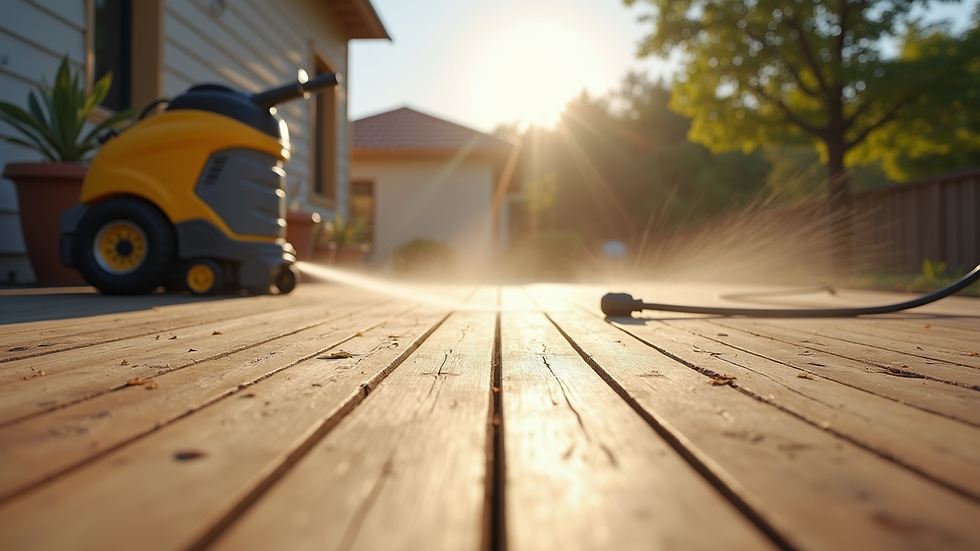
Decks and Patios: Clean and seal wood decks to protect against sun and rain damage. Power wash patios and outdoor furniture.
Pest Control: Summer is prime time for bugs. Use natural repellents or professional services to keep pests at bay.
Fall and Winter Outdoor Prep
Leaf Removal: Regularly rake leaves to prevent mold and keep grass healthy.
Winterizing: Drain irrigation systems and store hoses. Cover or store outdoor furniture.
Snow and Ice Management: Have salt or sand ready for icy walkways. Consider professional snow removal if you expect heavy snowfall.
These steps not only keep your property looking sharp but also prevent damage that can be costly to fix later.
Indoor Maintenance Tips for Year-Round Comfort
Don’t forget the inside! Seasonal indoor maintenance keeps your property comfortable and safe.
Spring: Deep clean carpets and upholstery, check for mold or water damage, and service air conditioning units.
Summer: Use fans and dehumidifiers to keep humidity in check. Inspect window screens and repair any tears.
Fall: Test heating systems, replace furnace filters, and check for drafts around windows and doors.
Winter: Monitor for ice dams on the roof, keep humidifiers clean, and ensure smoke detectors have fresh batteries.
Regular indoor upkeep improves air quality, energy efficiency, and overall comfort—important for both you and your guests.
Making Maintenance Manageable and Stress-Free
I get it—property upkeep can feel overwhelming. But breaking it down into seasonal tasks and using a mix of DIY and professional help makes it doable. Here are some final tips to keep things manageable:
Set reminders: Use your phone or calendar to schedule maintenance tasks.
Bundle tasks: Group similar jobs together to save time.
Ask for help: Don’t hesitate to hire pros for tricky or time-consuming work.
Stay flexible: Weather and unexpected issues happen. Adjust your plans as needed.
By staying proactive and organized, you’ll enjoy a beautiful, hassle-free property all year long.
Ready to take the stress out of property care? Partnering with experts who offer comprehensive property maintenance solutions can give you peace of mind and more time to enjoy your space. Here’s to a well-maintained property that shines in every season!


Comments